

















Knee Pain Physiotherapy in Gladstone
Knee pain assessment and rehabilitation at PhysioCall
On this page

Before booking a knee pain appointment
PhysioCall provides knee pain appointments at 25 Philip Street, South Gladstone. Tell your physiotherapist how symptoms affect walking, stairs, work or sport, and what you want to improve. An assessment helps you discuss suitable treatment and exercise options; progress varies with your condition and circumstances.
This page is general information. Knee pain can have different causes, so a symptom list cannot diagnose your knee. Bring relevant reports and any instructions from your doctor or surgeon.
When to seek medical care: Get medical advice if you cannot bear weight or move your knee, or it locks or gives way. Go to an emergency department for a major injury, a badly swollen or misshapen knee, or fever with a red, hot knee. See Healthdirect’s knee pain guidance.
Common Causes of Knee Pain
Knee pain can result from a variety of factors, including:
Osteoarthritis: One possible cause of joint pain and stiffness.
Inflammatory arthritis: Conditions such as rheumatoid arthritis need medical assessment.
Ligament injuries: A knee injury may affect its supporting ligaments.
Meniscus or cartilage injury: These are among the structures that can be injured.
Tendon concerns: Pain may involve tissues around the knee.
Bursitis: Swelling can affect the fluid-filled sacs near the joint.
Patellofemoral pain: Pain can occur around the kneecap.
Other causes: Medical assessment may be needed when the cause is unclear.
The appropriate next step depends on the cause and assessment findings. Your physiotherapist can discuss whether physiotherapy is suitable or whether you need a medical review.
Assessment, rehabilitation and ongoing care for knee pain
Your knee care plan should reflect your symptoms, assessment findings and goals. At PhysioCall, you can discuss symptom management, rehabilitation and whether follow-up care is needed. A single treatment does not guarantee immediate relief or prevent future pain.
Step 1: Assessment and treatment options
Start by discussing your symptoms, relevant history and daily activities. Your physiotherapist can assess movement and talk through options, their expected benefits, risks and alternatives. Hands-on treatment may be discussed where appropriate; it does not replace an active rehabilitation plan.
Discuss the suitability of any hands-on treatment before deciding:
Massage: Ask whether this is appropriate for your symptoms and goals.
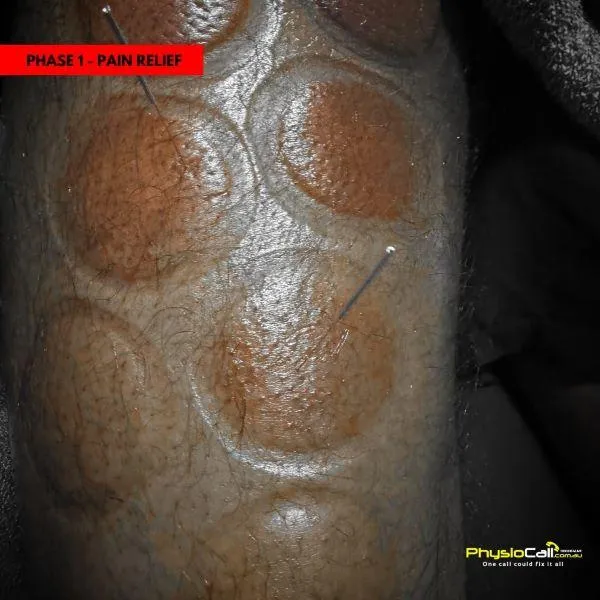
Dry needling or acupuncture: Discuss suitability, risks and alternatives.
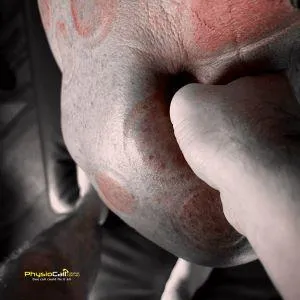
Cupping: Ask what it involves and whether it is suitable for you.
Joint techniques: Discuss options and any precautions identified in your assessment.
Stretching: Ask which movements are suitable for your current ability.
For knee osteoarthritis, Australia’s clinical care standard emphasises tailored physical activity and exercise. Ask how any proposed treatment fits with those priorities and your own goals.
Step 2: Rehabilitation
Discuss a rehabilitation plan suited to your current movement, strength and activity demands. Exercise selection and progression can be reviewed as your symptoms and function change. Bring any post-surgery restrictions so the plan can take them into account.
We use a combination of:
Knee exercise programs: Ask about exercises matched to your ability, symptoms and goals.
Ground Up Therapy: Discuss whether this clinic program is appropriate for your lower-limb rehabilitation.
For knee osteoarthritis, an exercise plan can be tailored to your preferences and reviewed over time. Ask whether the clinic’s GLA:D program or another exercise approach is suitable for you.
Step 3: Maintenance
Ongoing care should depend on your progress and needs. Discuss exercises and self-management between visits, how to review the plan and whether further appointments are useful. Ask about current Get Out of Pain Pack terms before choosing a package.
What’s included in the Get Out of Pain Pack?
5 Discounted Physiotherapy Sessions: These sessions can be used at any time during the year to address any flare-ups or maintain your progress.
Performance Wave Formula: Ask your physiotherapist to explain this clinic-specific approach, its purpose and how it would apply to your care. Follow-up timing should also reflect your symptoms, goals and availability.
Your physiotherapist can discuss ongoing exercise and self-management options that suit your knee symptoms and goals.
How Physiotherapy Works at
PhysioCall.com.au Gladstone
STEP 1
Assess your symptoms
and discuss treatment options

STEP 2
Work on strength and movement
with a personalised rehabilitation plan
STEP 3
Review your progress
and plan exercises and self-management

How PhysioCall.com.au Can Help with Knee Pain
Your appointment is an opportunity to understand the assessment, discuss suitable options and agree on practical goals. You can ask about:
1. Comprehensive Assessment
Your knee symptoms, movement, relevant health history and any injury or surgery.
How symptoms affect your work, sport and everyday tasks, and whether a medical review is needed.
2. Tailored Treatment Plan
Treatment and exercise options matched to the assessment and your goals.
What progress to look for, when to review the plan and what to do if symptoms change.
3. Expert Care
The reasons for a recommended option, its risks, alternatives and any precautions.
Exercises and self-management guidance that you understand and can fit into your routine.
Questions to discuss about your knee treatment
Assessment: What might be contributing to my knee symptoms?
Options: Why is this treatment or exercise being recommended?
Goals: How will we review changes in my walking, stairs, work or sport?
Follow-up: When should the plan be reviewed or adjusted?
Practical arrangements: What are the current fees and what can I practise between visits?
Ready to Start Your Physio treatment in Gladstone?
Knee symptoms to mention at your visit
Knee problems that may be discussed during an assessment include:
Timing: When the pain began and whether there was an injury.
Location: Where you feel symptoms around the knee.
Swelling: Any swelling, warmth, redness or bruising.
Movement: Difficulty bending or straightening the knee.
Stability: Any locking or giving way.
Activities: What makes symptoms better or worse.
History: Previous injuries, surgery, reports or medical advice.
Goals: The everyday or sporting activities you want to work towards.
Programs

For hip or knee osteoarthritis, ask the clinic about its current exercise program options, assessment requirements and suitability. Confirm what the GLA:D program involves and whether it is appropriate for your diagnosis and goals.

The Get Out Of Pain Plan offers five physiotherapy sessions at a fixed price with a discount. Ask about the current price, appointment coverage and validity period before purchasing, and whether the plan suits your assessment and goals.

Ground Up Therapy develops the foundations for rehab, training, work, sport, music, singing and everyday movement. Upper Limb: 6 sessions for $660. Lower Limb: 8 sessions for $880. Both work out to $110 per session, including the initial appointment, with the equipment you need included. No expiry; two-payment options available. Cannot be used with GOOPP or GOOPP+.

Muscle & Bone Rehab
Muscle & Bone Rehab focuses on rehabilitation, movement and strength. A plan should reflect your assessment, goals and relevant medical advice. Ask about suitable exercises, progress reviews and expected appointment costs.
What to Expect During Your Treatment
Initial Consultation
A detailed assessment of your knee pain, posture, and movement patterns.
Discussion of your goals and development of a personalized treatment plan.
Treatment Sessions
Discuss suitable treatment options and any relevant precautions.
Practise rehabilitation exercises selected for your knee symptoms, strength and movement goals.
Ask about activity adjustments and self-management between visits.
Ongoing Maintenance
Review symptoms, function and exercises at an interval agreed with your physiotherapist.
Plan follow-up appointments around your needs and availability; ask whether any package is appropriate.
Planning your visit to PhysioCall in South Gladstone
Clinic: Appointments are at 25 Philip Street, South Gladstone.
Prepare: Bring relevant reports, referral or funding documents and any surgeon’s instructions.
Discuss your goals: Explain how knee symptoms affect work, stairs, walking or sport.
Confirm arrangements: Ask about current fees, appointment types and any access needs.
Plan ahead: Choose an available appointment online or call 07 4962 0411.

Our Expert Team
Our team at PhysioCall.com.au provides physiotherapy care in Gladstone. You can usually book a private appointment without a doctor’s referral. Funded or insurance arrangements may need a valid referral or approval. Please confirm fees, eligibility and required documents with the clinic before your visit. Use online booking to check available appointment times.

Joshua Iaquinto
Gladstone Physiotherapist
16+ years

Joshua Hughes
Gladstone Physio
3+ years
Book knee pain physiotherapy in Gladstone
To discuss knee pain at our South Gladstone clinic, read the first appointment guide and book an available appointment, or call 07 4962 0411. Tell us about any access requirements before attending. Fees, funding documents and appointment options can be confirmed before you book.

Locations
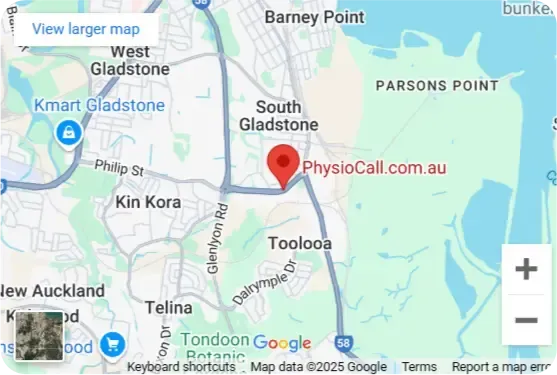
25 Philip Street, South Gladstone Queensland 4680, Australia
FAQs
How long does it take to see results?
Progress varies with the cause of your knee pain, your health and your goals. Ask your physiotherapist what changes to look for, when to review the plan and what to do if symptoms worsen. A first-session improvement cannot be guaranteed.
What is the Performance Wave Formula?
Performance Wave Formula is a clinic-specific term. Ask your physiotherapist to explain what it means, the reasons for recommending it and any alternatives. Follow-up timing should reflect your symptoms, goals and availability.
Do I need a referral to book an appointment?
You can usually book a private physiotherapy appointment without a referral. Funded or insurance arrangements may require a valid referral or approval. Ask the clinic which documents and current eligibility requirements apply before your visit.
Can I use the Get Out of Pain Pack for other issues?
Contact the clinic to confirm the current Get Out of Pain Pack terms, eligibility and whether it is suitable for your knee symptoms or another concern before choosing a package. Your assessment helps determine appropriate care.
Is Hands On Therapy painful?
Discuss your comfort, preferences, risks and alternatives with your physiotherapist before treatment. Tell them if a technique is painful or causes unexpected symptoms so it can be adjusted or stopped. Discomfort alone does not show that treatment is working.
For general knee information, see Healthdirect’s knee pain guide and Australia’s Osteoarthritis of the Knee Clinical Care Standard. These resources support the information above; your appointment is needed for advice about your own circumstances.
25 Philip Street, South Gladstone, QLD, 4680 Australia