



















Muscle and Bone Rehab in Gladstone
Exercise for bone health, strength and balance
Outline

Introduction
Muscle and Bone Rehab at PhysioCall in Gladstone focuses on exercise, movement and strength. If you have osteoporosis, osteopenia, muscle weakness or a history of falls, an assessment can help you discuss suitable exercise and rehabilitation options.
Your plan should reflect your diagnosis, fracture history, current ability and advice from your treating team. Bring relevant reports and tell your physiotherapist about any exercise restrictions.
Visit us at 25 Philip Street, South Gladstone. Book an assessment or call 07 4962 0411 to ask about appointment options and fees.

What is Muscle and Bone Rehab?
The program provides a way to discuss and plan physiotherapy exercise for bone health, strength and everyday function. Tell your physiotherapist about your diagnosis and the activities you want to improve.
Osteoporosis and Osteopenia: Weakening of bones, increasing the risk of fractures.
Sarcopenia: Age-related loss of muscle mass, strength, and function, which can lead to reduced mobility and a higher risk of falls.
Depending on your assessment, discuss the following parts of an exercise plan:
Weight-bearing activity: choose an appropriate type and level of activity.
Strength and balance: discuss resistance exercise and balance practice suited to your ability.
Education: understand your exercises and how to practise them between visits.
Medical and nutrition advice: ask your doctor or dietitian about diagnosis, medicines, diet and supplements.
Progress reviews: agree which strength, movement and activity measures will be reviewed.
Healthy Bones Australia explains exercise for bone health, including the value of an individualised, supervised approach for people with osteoporosis. Your exercise plan and progress will depend on your circumstances.
Why strength and balance matter
Fracture history: bring reports and any restrictions from your treating team.
Strength: explain tasks such as standing from a chair, lifting or climbing stairs that feel difficult.
Balance: mention falls, near-falls or concerns about walking.
Daily activity: identify work, hobbies and everyday tasks you would like to manage more confidently.
Exercise can be part of managing bone and muscle health. Agree realistic goals and review them with your physiotherapist, such as:
Work on strength for everyday tasks.
Practise balance and movement appropriate to your ability.
Build confidence with an agreed exercise routine.
Discuss activity adjustments after a fracture or injury.
Review progress and change the plan when needed.
How Physiotherapy Works at
PhysioCall.com.au Gladstone
STEP 1
Assess your symptoms
and discuss treatment options to be pain free

STEP 2
Work on strength and movement
with a personalised rehabilitation plan
STEP 3
Prevent future issues by planning your own maintenance package

How the program works
Start with an assessment and a discussion of your medical history, activity goals and current ability. Ask what supervision, home practice and follow-up would be appropriate.
1. Weight-Bearing Exercises
Weight-bearing activity places load through your body while you are on your feet. The type and intensity need to suit your bone health, balance and fracture history. Discuss options such as:
Walking or other upright activity suited to your ability.
Step or stair practice where appropriate.
An individually selected level of impact activity.
Jogging, jumping or other impact exercise may not suit everyone. If you have osteoporosis or a previous fracture, ask your treating team which activities and loads are appropriate before starting.
2. Resistance Training
Resistance exercises use weights, bands or your body weight. Your physiotherapist can discuss an appropriate starting load, technique and progression, including exercises for:
Hips and thighs.
Spine and core.
Shoulders and arms.
Tell your physiotherapist how you respond to exercise so the load, technique or frequency can be reviewed. The plan should change if your symptoms, ability or medical advice changes.
3. Education
Use your appointments to ask questions about your exercises, activity choices and the advice you have received from your treating team:
Understand the purpose of each exercise.
Know which activities or movements need modification.
Ask how to practise strength and balance exercises between visits.
Agree when to review the plan or seek further advice.
4. Coordinating nutrition and medical advice
Bring any relevant advice from your doctor or dietitian. If you have questions about diet, supplements or medicines, discuss them with the appropriate treating professional:
Ask your doctor or dietitian about your individual nutrition needs.
Check supplements and medicine questions with your doctor or pharmacist.
Tell your physiotherapist about advice or restrictions that may affect exercise.
5. Objective Measurements
Agree which measures will help review your plan. These may include strength, balance, walking or the everyday activities important to you:
Medical reports: bring relevant scan results and advice from your treating team.
Strength and movement: discuss suitable assessment tasks and how they will be reviewed.
Balance and daily function: track activities that reflect your goals and current ability.
Bone density is measured with a medical DXA or DEXA scan. Healthdirect explains bone density scans. Ask your doctor whether a scan is appropriate and how the results affect your care; exercise assessments do not measure bone density.
Ready to Start Your Physio treatment in Gladstone?
Who may benefit from an assessment?
Ask about an assessment if you want help planning exercise or rehabilitation for concerns such as:
Osteoporosis or osteopenia: discuss exercise alongside your medical management.
Muscle weakness: identify strength and activity goals.
Changes with ageing: review movement and everyday function.
After a fracture: bring treatment advice and restrictions before planning exercise.
Balance concerns: discuss falls or near-falls.
Returning to activity: plan an appropriate starting point and reviews.
An assessment helps decide whether this program, another rehabilitation option or further medical advice is appropriate for you. Ask about current appointment availability and costs.
Programs
For hip or knee osteoarthritis, ask the clinic about its current exercise program options, assessment requirements and suitability. Confirm what the GLA:D program involves and whether it is appropriate for your diagnosis and goals.

The Get Out Of Pain Plan offers five physiotherapy sessions at a fixed price with a discount. Ask about the current price, appointment coverage and validity period before purchasing, and whether the plan suits your assessment and goals.
Ground Up Therapy develops the foundations for rehab, training, work, sport, music, singing and everyday movement. Upper Limb: 6 sessions for $660. Lower Limb: 8 sessions for $880. Both work out to $110 per session, including the initial appointment, with the equipment you need included. No expiry; two-payment options available. Cannot be used with GOOPP or GOOPP+.

Muscle & Bone Rehab
Muscle & Bone Rehab focuses on rehabilitation, movement and strength. A plan should reflect your assessment, goals and relevant medical advice. Ask about suitable exercises, progress reviews and expected appointment costs.
Your care at PhysioCall
At our South Gladstone clinic, discuss your goals and the practical details of your proposed care:
Assessment: explain your symptoms, diagnoses, fracture history and current activity.
Exercise choices: ask which options suit your circumstances and why.
Home practice: understand what to do between visits and when to ask for help.
Reviews: agree how your response and goals will guide changes.
Fees and documents: confirm consultation costs and any referral or approval requirements.
Our Expert Team
Our team at PhysioCall.com.au provides physiotherapy care in Gladstone. You can usually book a private appointment without a doctor’s referral. Funded or insurance arrangements may need a valid referral or approval. Please confirm fees, eligibility and required documents with the clinic before your visit. Use online booking to check available appointment times.

Joshua Iaquinto
Gladstone Physiotherapist
16+ years

Joshua Hughes
Gladstone Physio
3+ years
Next steps in Gladstone
Discuss Muscle and Bone Rehab at PhysioCall, 25 Philip Street, South Gladstone. Bring relevant medical reports and tell us about your activity goals so the assessment can guide your exercise and rehabilitation options.
Check appointment times online or call 07 4962 0411 to ask about fees, documents and the next step.

Locations
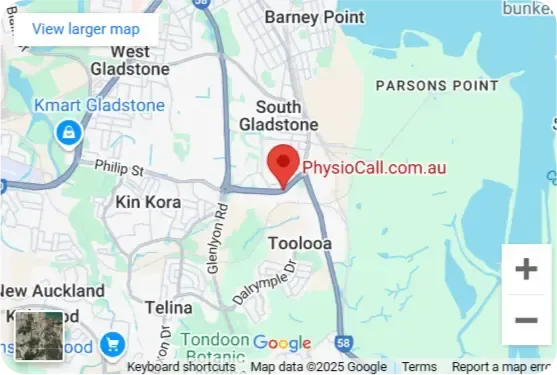
25 Philip Street, South Gladstone Queensland 4680, Australia
FAQs
Do I need a referral to join the program?
You can usually book a private physiotherapy appointment without a referral. Funded or insurance arrangements may require a referral or approval. Confirm consultation costs and required documents with the clinic before your appointment.
Is the program safe for people with osteoporosis or sarcopenia?
Suitability depends on your assessment, fracture history and other medical conditions. Exercise type, load and supervision should be chosen for your circumstances. Bring advice from your treating team and ask which activities need modification.
Can I combine the program with other treatments?
Tell your physiotherapist about medicines, treatments and advice from your treating team. Discuss how exercise will fit with your existing care and whether any restrictions or further medical advice apply.
What kind of results can I expect?
Discuss goals such as strength, balance and everyday movement, and agree how they will be reviewed. Progress varies. A program cannot guarantee reversal of osteoporosis or prevention of fractures. Bone density results come from medical scans, separately from exercise assessments.
Have a question about Muscle and Bone Rehab in Gladstone? Call 07 4962 0411 or book an assessment online to discuss appointment options, fees and required documents.
25 Philip Street, South Gladstone, QLD, 4680 Australia