



Acupuncture and Dry Needling in Gladstone
Acupuncture and dry needling: assessment and treatment choices
Outline

Introduction
Considering acupuncture or dry needling in Gladstone? PhysioCall provides physiotherapy at 25 Philip Street, South Gladstone. Start with an assessment of your symptoms and goals, then discuss whether a needling technique belongs in your care plan. This guide explains the differences, evidence limits and questions to ask. Use online booking to check appointments, or call 07 4962 0411 to confirm the proposed service, fees and referral requirements.

What is Acupuncture?
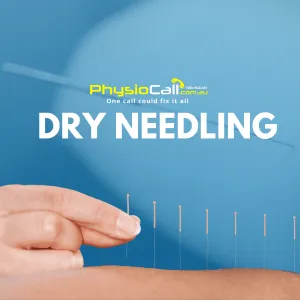
Acupuncture uses fine needles inserted at selected points. Dry needling uses a needle without injected medicine to target muscle tissue. The methods share equipment but differ in their treatment rationale. Ask which technique is proposed and why. Useful questions include:
What symptom or activity are we aiming to address?
What evidence supports this technique for my condition?
Which risks and alternatives should I consider?
How will we review whether it is helping?
Ask your physiotherapist whether acupuncture or dry needling is suitable for you, and discuss the proposed treatment, possible benefits, risks and alternatives before proceeding.
Origins, evidence and treatment choices
Acupuncture has traditional Chinese origins. NCCIH reports possible benefits for some pain conditions, with results affected by the comparison treatment. UK NICE chronic primary pain guidance considers a limited course under specified conditions, while its low-back-pain guidance advises against acupuncture. These recommendations concern different populations; suitability needs individual assessment.
How Physiotherapy Works at
PhysioCall.com.au Gladstone
STEP 1
Assess your symptoms
and discuss treatment options to be pain free
STEP 2
Work on strength and movement
with a personalised rehabilitation plan
STEP 3
Prevent future issues by planning your own maintenance package
How are needling techniques understood?
The mechanism of acupuncture is not fully understood. Research suggests nervous-system, tissue and nonspecific effects may contribute. Traditional concepts such as Qi are a treatment framework, not proof that needling restores energy balance or accelerates healing. Before deciding:
Confirm whether acupuncture, dry needling or another approach is proposed.
Ask how it relates to your assessment and treatment goals.
Discuss what response would justify continuing or changing the plan.
Agree on alternatives if you prefer to avoid needles.
Read APTA’s dry-needling overview and healthdirect’s acupuncture guide for background. Evidence about one method or condition should not automatically be applied to every other method or condition.
Ready to Start Your Physio treatment in Gladstone?
Symptoms, evidence and suitability
Describe your symptoms, current care and what you want to return to doing. This list introduces questions for an assessment, not a promise that acupuncture treats every condition or that each service is available at the clinic.
Pain Management
Persistent pain: Discuss your diagnosis, daily limitations and previous treatments.
Headaches: Evidence suggests possible benefit for some headache types; the diagnosis matters.
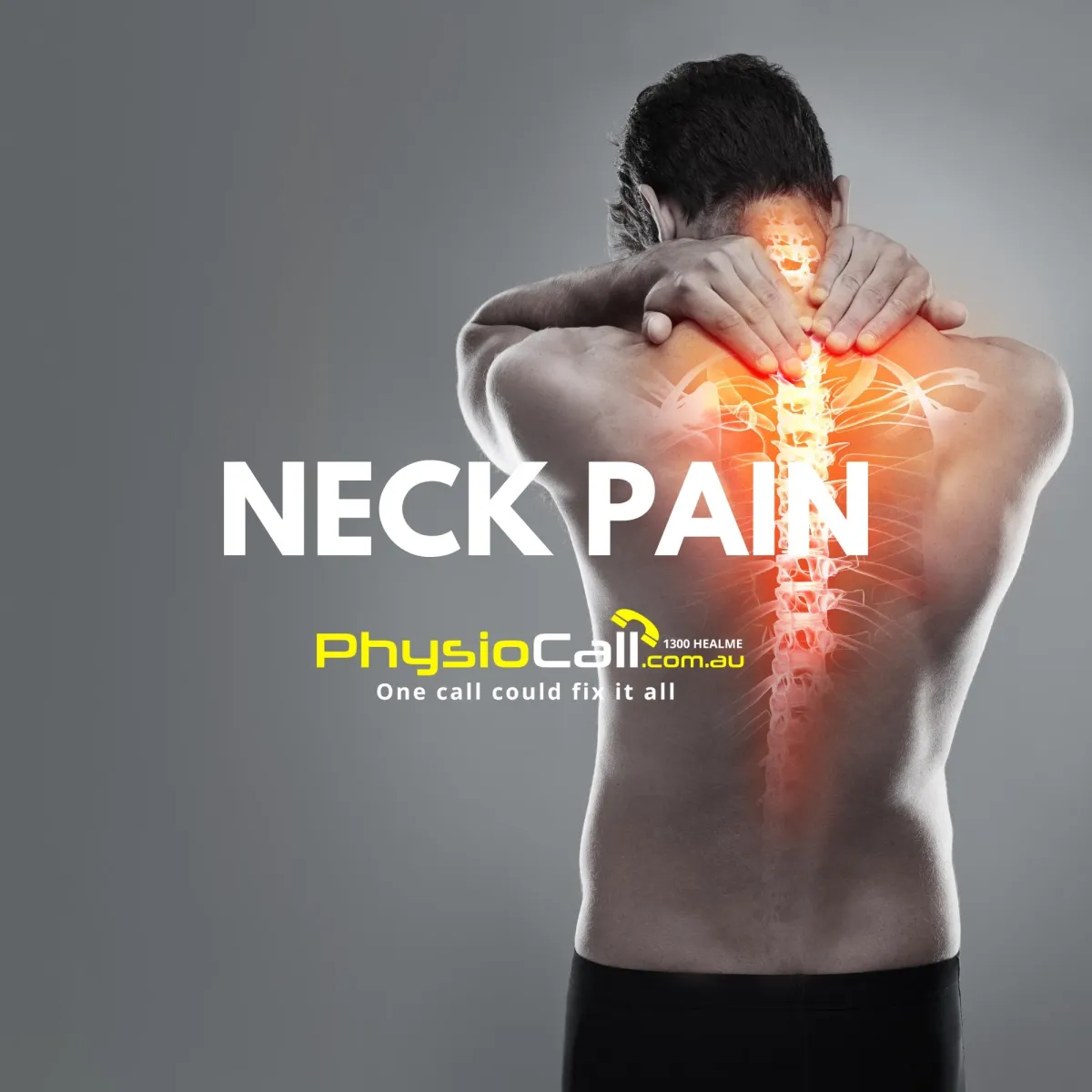
Neck and shoulder symptoms: Read our neck-pain guide and discuss assessment options.
Sports injuries: Ask about rehabilitation and return-to-activity goals without a faster-healing guarantee.
Stress and Mental Health
Stress: Explain your concerns and treatment preferences.
Anxiety or depression: Discuss appropriate care with your health team; needling does not replace that care.
Sleep difficulties: Ask what assessment and support suit your symptoms.
Digestive Health
IBS: Research has not consistently shown benefit over sham acupuncture. Discuss appropriate medical care.
Reflux: Seek assessment rather than assuming needling will treat the cause.
Women’s Health
Menstrual symptoms: Discuss your symptoms and existing care with your health team.
Fertility: Acupuncture should not be presented as a guarantee of pregnancy or live birth.
Pregnancy: Discuss suitability with your maternity team before treatment.
Other Conditions
Allergies or sinus concerns: Ask which medical assessment and care are appropriate.
Immune health: This guide does not establish an immune-boosting effect.
After surgery: Follow your surgical care plan and ask whether any proposed technique fits it.
Programs
For hip or knee osteoarthritis, ask the clinic about its current exercise program options, assessment requirements and suitability. Confirm what the GLA:D program involves and whether it is appropriate for your diagnosis and goals.

The Get Out Of Pain Plan offers five physiotherapy sessions at a fixed price with a discount. Ask about the current price, appointment coverage and validity period before purchasing, and whether the plan suits your assessment and goals.
Ground Up Therapy develops the foundations for rehab, training, work, sport, music, singing and everyday movement. Upper Limb: 6 sessions for $660. Lower Limb: 8 sessions for $880. Both work out to $110 per session, including the initial appointment, with the equipment you need included. No expiry; two-payment options available. Cannot be used with GOOPP or GOOPP+.
Muscle & Bone Rehab
Muscle & Bone Rehab focuses on rehabilitation, movement and strength. A plan should reflect your assessment, goals and relevant medical advice. Ask about suitable exercises, progress reviews and expected appointment costs.
The Acupuncture Process
What to Expect During a Session
Your appointment should begin with a discussion of symptoms, medical history and goals. Before consenting to a needling technique:
Confirm the proposed technique, treatment area and reason for choosing it.
Discuss possible discomfort, risks and alternatives; tell your practitioner if you want treatment adjusted or stopped.
Agree how your response will be reviewed and what aftercare is appropriate.
Duration and Frequency
Confirm appointment length, fees and any rebate through the clinic or booking system.
The number and timing of sessions should follow your assessment and response; weekly or ongoing treatment is not automatic.
Side Effects and Recovery
Needling can cause soreness, bruising, bleeding, dizziness or fatigue. Follow an individual aftercare plan. If you feel sleepy or dizzy, wait until you have recovered before driving. Tell your practitioner about unexpected or worsening symptoms.
Possible benefits and evidence limits
Benefits depend on the condition and technique.
Study findings do not guarantee an individual result.
Compare outcomes such as pain and daily activity, not only how the session feels.
Agree a practical goal and a review point.
Ask how needling fits with rehabilitation or other appropriate care.
Review alternatives if the proposed plan does not suit your preferences.
Acupuncture vs. Other Therapies
Comparison with Massage Therapy
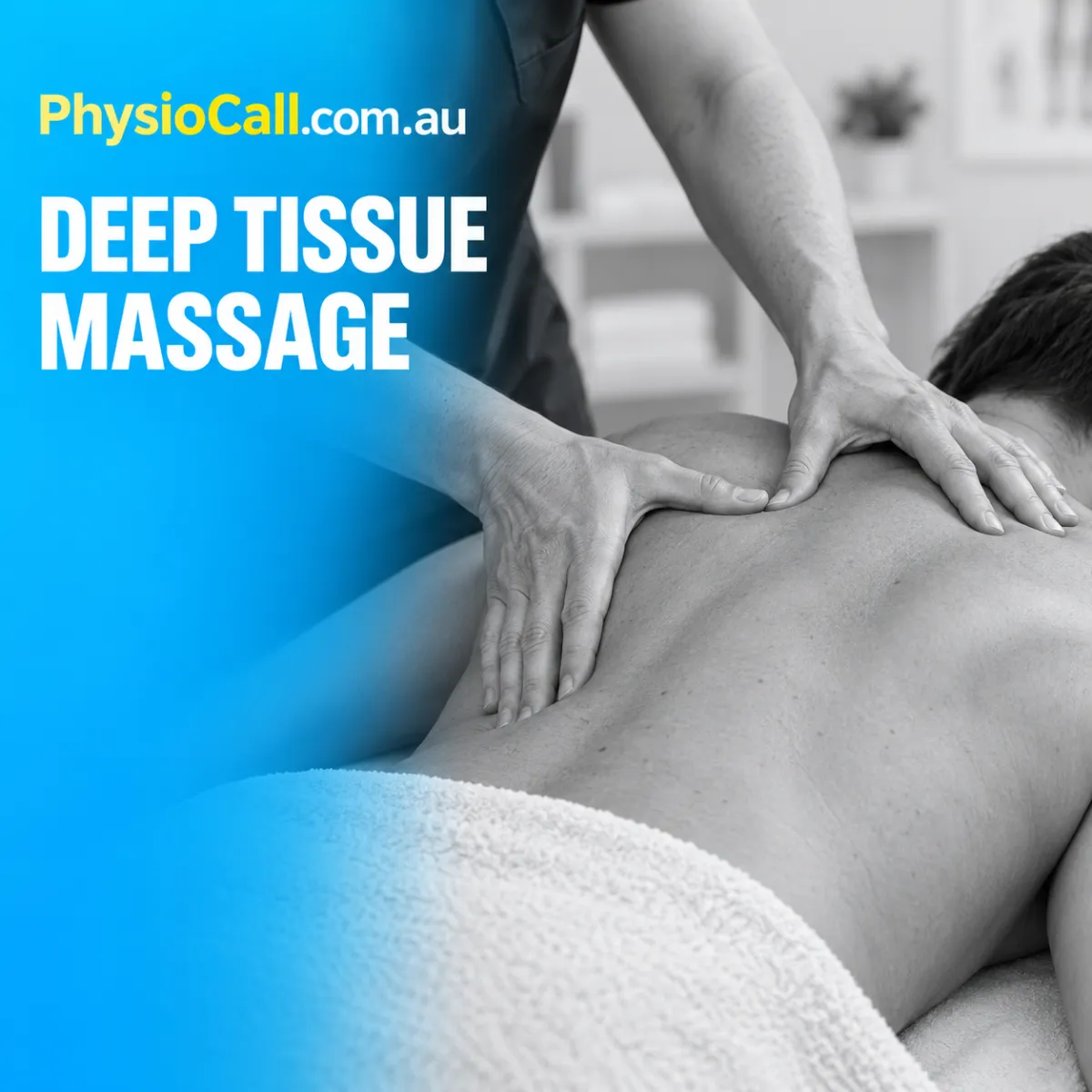
Massage applies hands-on pressure to soft tissue, while acupuncture and dry needling involve needles. Read our massage guide and discuss which options suit your assessment. Combining techniques does not guarantee a better result.
Comparison with Physiotherapy
Physiotherapy may combine assessment, education, exercise and suitable hands-on techniques. Needling may be one proposed part of a plan. Ask why it is included, what alternatives are available and how progress will be reviewed.
Fees and review points
Confirm the fee, what the appointment includes and any rebate before booking. Ask when the plan will be reviewed. This page does not promise reduced medication use, fewer future appointments or lasting relief.

Who might discuss needling at an assessment?
Athletes: Explain your training and return-to-activity goals.
Office workers: Describe uncomfortable tasks and positions.
People with persistent pain: Discuss your diagnosis, previous care and daily limitations.
People with stress or sleep concerns: Ask which assessment and support are appropriate.
People considering pregnancy or fertility support: Discuss proposed care with the relevant medical team.

Risks and Considerations
Discuss your health history first
Suitability depends on the technique and your health history. Before treatment:
Tell your practitioner about bleeding problems, blood-thinning medicines and other medical concerns.
Explain any fear of needles and ask about alternatives.
Discuss pregnancy and relevant advice from your health team.
Potential Side Effects
Soreness, bruising or bleeding can occur at the needle site.
Fatigue, dizziness and infection are possible; improper needling can also cause serious injury.
Ask about relevant training, sterile single-use needles, consent and the risks of the proposed treatment area. Rare complications include a punctured lung. Seek urgent medical help for new chest pain or breathing difficulty after needling. Discuss concerns before proceeding.
Our Expert Team
Our team at PhysioCall.com.au provides physiotherapy care in Gladstone. You can usually book a private appointment without a doctor’s referral. Funded or insurance arrangements may need a valid referral or approval. Please confirm fees, eligibility and required documents with the clinic before your visit. Use online booking to check available appointment times.

Joshua Iaquinto
Gladstone Physiotherapist
16+ years

Joshua Hughes
Gladstone Physio
3+ years
Conclusion
If you are considering acupuncture or dry needling in Gladstone, start with a physiotherapy assessment and discuss the proposed technique, evidence and alternatives. PhysioCall is at 25 Philip Street, South Gladstone. Call 07 4962 0411 or use online booking to check appointments. Confirm fees, suitability and the review plan before treatment.

Locations
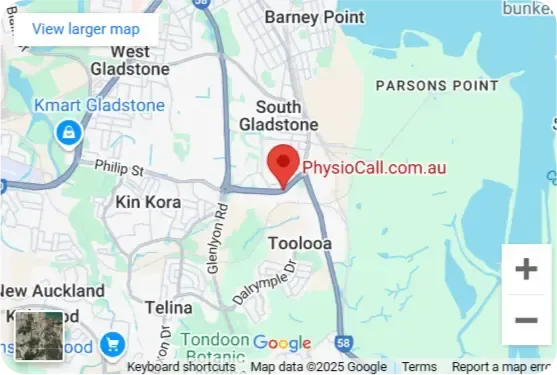
25 Philip Street, South Gladstone Queensland 4680, Australia
FAQs
Does acupuncture hurt?
You may feel pressure, aching or discomfort when a needle is inserted. Tell the practitioner if it hurts or makes you feel unwell so they can adjust or stop. Ask what to expect before you consent.
How many sessions will I need?
The number of appointments depends on your assessment, goals and response. Agree on a review point and discuss alternatives if treatment is not helping. Ongoing sessions should not be assumed.
Can acupuncture help with stress?
Some people find a session relaxing, but benefits vary. Acupuncture should not replace appropriate assessment or care for persistent stress, anxiety or depression. Discuss what evidence applies to your situation.
Is acupuncture safe?
Needling is not risk-free. Ask about the practitioner’s relevant training, sterile single-use needles, your suitability and the possible risks before giving consent. Tell them about your health conditions, medicines and pregnancy.
What should I do after an acupuncture session?
Follow your individual aftercare advice. Do not drive if you feel sleepy, dizzy or unwell. Contact the practitioner about unexpected or worsening symptoms. Seek urgent medical help for new chest pain or difficulty breathing after needling.
25 Philip Street, South Gladstone, QLD, 4680 Australia