













Hands-On Physiotherapy in Gladstone
Hands-on physiotherapy: treatment choices and what to expect
On this page

Introduction
At PhysioCall in South Gladstone, hands-on treatment may be part of your physiotherapy appointment. Start with an assessment of your symptoms, movement and goals so you can discuss suitable options with your physiotherapist.
Options described below include massage, joint techniques, needling, cupping, stretching and taping. Their suitability and evidence differ; you do not need every technique in one session. Physiotherapy may also include exercises and advice. See Healthdirect’s overview of physiotherapy.

What is Hands On Therapy?
Hands-on therapy describes treatment in which your physiotherapist uses physical techniques during your appointment. It is one possible part of your care. Use your assessment to:
Discuss the symptoms and activities that matter to you.
Consider treatment choices and their likely benefits and risks.
Agree on a comfortable approach that you understand.
Plan exercises, advice or further review where appropriate.
The plan should reflect your circumstances and preferences. Combining more techniques does not guarantee a better outcome.
What Does Hands On Therapy Include?
Your physiotherapist can discuss which, if any, of these options suit your assessment. Ask why a technique is being suggested and what alternatives are available.
Massage applies pressure to soft tissues. The pressure can be discussed and adjusted.
Research findings vary by condition; benefits for some pain problems may be short term. Read the NCCIH massage evidence summary.
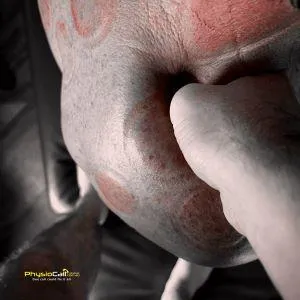
Gua sha uses a tool applied to the skin and can leave visible marks.
A small neck-pain trial reported short-term benefit after one week. That does not establish results for other conditions or long-term recovery. Ask what evidence is relevant to your problem.
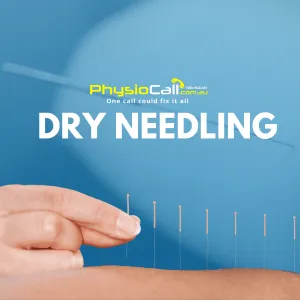
Needling involves inserting fine needles; dry needling and acupuncture are different approaches.
Discuss the proposed technique, its purpose, alternatives and risks before deciding whether to proceed.
Cupping creates suction at the skin and may leave temporary marks.
Evidence for pain relief is weak. Cupping has not been established as a way to detoxify the body. Read the NCCIH cupping evidence and safety summary.
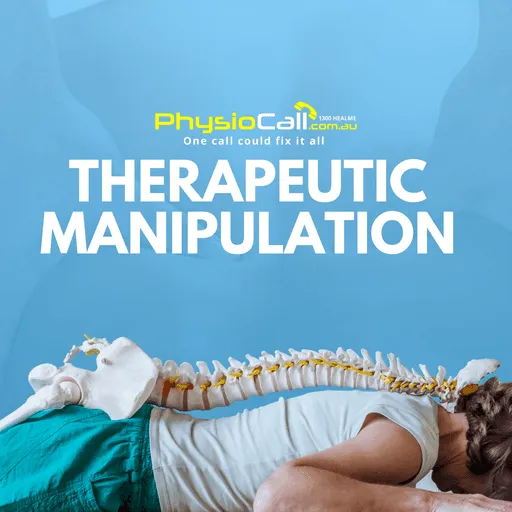
Mobilisation uses joint movement; manipulation involves a controlled thrust.
Suitability depends on your assessment. These techniques are not a promise to realign your body or cure the cause of pain. See NCCIH’s spinal manipulation guide.
Stretching and movement exercises may be included in your plan.
Ask how to perform them, how often to practise and how to respond if they are uncomfortable.
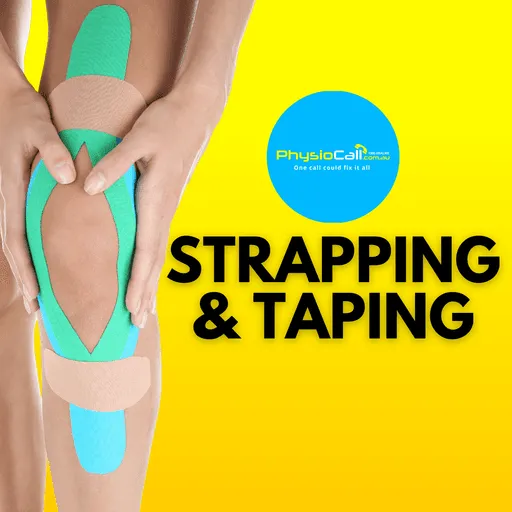
Taping may be discussed as an option for support during particular activities.
Ask about its purpose, skin tolerance and whether it is useful for your circumstances.
These are treatment options, rather than a checklist for every appointment. Your assessment and preferences guide the choices.
Who is Hands On Therapy For?
An assessment may be helpful when pain or movement difficulties are affecting work, sport or everyday tasks. Hands-on treatment is not suitable for every person or every condition.
Sport: discuss the activity you want to return to and what currently limits you.
Injury recovery: bring details of the injury and any advice you have already received.
Persistent pain: explain how symptoms affect your daily life and what you have tried.
Work: describe the tasks, positions or movements that are difficult.
Everyday activity: identify practical goals you would like your plan to address.
How Physiotherapy Works at
PhysioCall.com.au Gladstone
STEP 1
Assess your symptoms
and discuss treatment options to be pain free

STEP 2
Work on strength and movement
with a personalised rehabilitation plan
STEP 3
Prevent future issues by planning your own maintenance package

How Does Hands On Therapy Work?
The appointment begins with understanding your symptoms and goals. You can ask questions about the proposed plan before treatment starts.
1. Initial Assessment
Discuss your symptoms, relevant health history and daily activities.
Your physiotherapist may assess movement and function and explain the available options.
2. Agreed treatment choices
Discuss the purpose, risks and alternatives for any proposed hands-on technique.
Your plan may include hands-on care, exercises and advice; immediate relief is not guaranteed.
3. Review and reassessment
Tell your physiotherapist how you respond during and after treatment.
Review progress against your goals and discuss whether the plan needs to change.
4. Exercises and self-management
Ask for clear instructions for any exercises or activities recommended for you.
Discuss what to do between appointments and when to seek further advice.
Goals and limitations of treatment
Your priorities: choose goals that matter in your daily life.
Pain management: discuss realistic expectations for your symptoms.
Movement: identify movements or tasks you would like to work towards.
Activity: discuss the steps involved in returning to a chosen activity.
Comfort: tell your physiotherapist what feels acceptable during treatment.
Progress: review your response; results and treatment needs vary.
Ready to Start Your Physio treatment in Gladstone?
Problems we can assess
People seek physiotherapy for problems such as pain, stiffness, injuries and rehabilitation needs. Whether hands-on treatment has a role depends on the assessment and your wider care plan.
Musculoskeletal Pain
Back pain, neck pain, and shoulder pain.
Muscle tightness, tension, and trigger points.
Sports Injuries
Sprains, strains, and overuse injuries.
Recovery from high-impact activities or training.
Chronic Conditions
Arthritis, fibromyalgia, and other chronic pain conditions.
Postural issues and repetitive strain injuries.
Post-Surgical Recovery
Rehabilitation after surgery should follow the advice and restrictions relevant to your operation. Bring your surgeon’s instructions or other care documents to the assessment.
Programs

For hip or knee osteoarthritis, ask the clinic about its current exercise program options, assessment requirements and suitability. Confirm what the GLA:D program involves and whether it is appropriate for your diagnosis and goals.

The Get Out Of Pain Plan offers five physiotherapy sessions at a fixed price with a discount. Ask about the current price, appointment coverage and validity period before purchasing, and whether the plan suits your assessment and goals.
Ground Up Therapy develops the foundations for rehab, training, work, sport, music, singing and everyday movement. Upper Limb: 6 sessions for $660. Lower Limb: 8 sessions for $880. Both work out to $110 per session, including the initial appointment, with the equipment you need included. No expiry; two-payment options available. Cannot be used with GOOPP or GOOPP+.
Muscle & Bone Rehab
Muscle & Bone Rehab focuses on rehabilitation, movement and strength. A plan should reflect your assessment, goals and relevant medical advice. Ask about suitable exercises, progress reviews and expected appointment costs.
What to Expect During a Hands On Therapy Session
Duration
Check the appointment type and duration when booking. Contact the clinic if you are unsure which appointment to choose.
Techniques Used
The techniques used depend on the assessment and the choices discussed with you.
There is no fixed course described on this page. Follow-up frequency should be discussed for your circumstances and reviewed with progress.
Aftercare
Ask what responses to expect from the selected treatment and what to do if you are concerned.
Follow any individual exercise or activity instructions and contact the clinic with questions about your plan.
How hands-on treatment fits with other care
Comparison with Single-Therapy Sessions
One technique may be appropriate, several may be discussed, or hands-on treatment may not be needed. The number of techniques used does not establish the quality or effectiveness of care.
Comparison with Medication
Physiotherapy and medication can have different roles in a care plan. Discuss medication questions with your prescribing clinician; a hands-on appointment does not replace that advice.
Comparison with Surgery
The appropriate treatment depends on the condition and assessment. Hands-on care does not replace medically indicated surgery. Physiotherapy may have a role in rehabilitation before or after surgery when appropriate.

Questions to ask at your appointment
What are we aiming to improve, and how will we review it?
Why are you suggesting this technique, and what is the evidence for my problem?
What risks, side effects and alternatives should I understand?
What exercises or activities should I do between appointments?
When should I return, change the plan or seek further advice?

Risks and Considerations
Tell your physiotherapist about your health
Suitability varies with the technique and your health. Share relevant information before treatment so the options and precautions can be discussed.
Mention wounds, skin problems, infections or recent injuries affecting the treatment area.
Tell your physiotherapist about relevant medical conditions, medicines, surgery and advice from other treating clinicians.
Potential Side Effects
Soreness, bruising or skin marks can occur with some techniques. Risks vary, and there is no single recovery time that applies to every treatment or person.
Ask about the risks and alternatives of the specific technique proposed for you. You can raise concerns, ask for a change or decline a technique. Hands-on treatment should not delay appropriate medical assessment.
Our Expert Team
Our team at PhysioCall.com.au provides physiotherapy care in Gladstone. You can usually book a private appointment without a doctor’s referral. Funded or insurance arrangements may need a valid referral or approval. Please confirm fees, eligibility and required documents with the clinic before your visit. Use online booking to check available appointment times.

Joshua Iaquinto
Gladstone Physiotherapist
16+ years

Joshua Hughes
Gladstone Physio
3+ years
Plan your next step in Gladstone
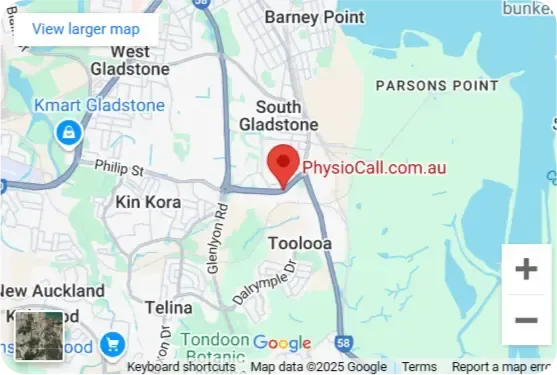
Visit PhysioCall at 25 Philip Street, South Gladstone. Bring your goals, relevant health information and any care instructions to your appointment. You can book a physiotherapy appointment or call 07 4962 0411 to ask about appointment options.

Locations
25 Philip Street, South Gladstone Queensland 4680, Australia
FAQs
How long does a Hands On Therapy session take?
Check the duration of your selected appointment when booking. If you are unsure which appointment to choose, call the clinic on 07 4962 0411.
Can I choose which therapies are included in my session?
You can discuss your preferences and ask about alternatives. Your physiotherapist should explain the proposed options and suitability; you do not need to agree to every technique.
Is Hands On Therapy painful?
Some techniques can be uncomfortable. Tell your physiotherapist if the pressure or sensation is too much so you can discuss adjusting, changing or stopping that technique.
How many sessions will I need?
The number of sessions depends on your condition and goals. Your physiotherapist will provide a personalized treatment plan during your initial assessment.
Do I need a referral to book Hands On Therapy?
For a private physiotherapy appointment, you can usually book directly. Medicare, DVA or other funded care may require a referral or approval. Check the requirements for your appointment type with the clinic before booking.
Ready to discuss your goals? Book with PhysioCall in South Gladstone or call 07 4962 0411 for appointment information.
25 Philip Street, South Gladstone, QLD, 4680 Australia