
















Ground Up Therapy in Gladstone
Strength, balance and lower-limb rehabilitation
Outline
Introduction
Ground Up Therapy is PhysioCall’s exercise and rehabilitation program in Gladstone, with a focus on the feet, ankles and lower limbs. An assessment helps us understand your symptoms, movement and goals before planning exercises.
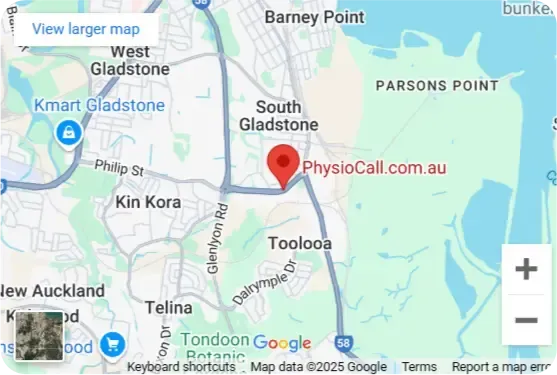
Visit us at 25 Philip Street, South Gladstone. Book an assessment or call 07 4962 0411 to discuss your needs, appointment options and fees.

What is Ground Up Therapy?
Ground Up Therapy brings assessment, exercise and progress reviews into a plan for your lower-limb movement. Depending on your needs, the focus may include:
Rehabilitation: work towards the activities affected by your injury or symptoms.
Strength and stability: practise exercises appropriate to your starting capacity.
Mobility: work on movements that matter for walking, work or sport.
Self-management: understand your exercises and how to adjust activity between visits.
Healthdirect explains how physiotherapy can support movement, function and injury rehabilitation. Your plan should reflect your symptoms, activity goals and relevant medical advice. Progress reviews help decide when exercises need adjusting or another approach is appropriate.
Who is Ground Up Therapy For?
You do not need to be an athlete to discuss Ground Up Therapy. People seek lower-limb rehabilitation for different reasons:
Sport: plan a gradual return to running, training or competition.
After an injury: discuss ankle, knee or hip symptoms and current activity limits.
Ongoing symptoms: assess foot, tendon or other pain before choosing an exercise plan.
After surgery: bring recovery instructions so exercises match the operation and stage of healing.
Everyday movement: work on tasks such as walking, stairs or balance.
How Physiotherapy Works at
PhysioCall.com.au Gladstone
STEP 1
Assess your symptoms
and discuss treatment options

STEP 2
Work on strength and movement
with a personalised rehabilitation plan
STEP 3
Review your progress
and plan exercises and self-management

How Does Ground Up Therapy Work?
Your plan starts with assessment and progresses according to your symptoms, capacity and response. It may draw on the following areas; every person does not need every exercise or stage:
1. Assessment and Diagnosis
Discuss symptoms, relevant health history, previous treatment and your goals.
Assess movements and strength relevant to the activities you find difficult.
Agree on a starting plan and how progress will be reviewed.
2. Foot and Ankle Strengthening
Practise suitable exercises for foot and ankle strength or movement.
Include balance tasks when appropriate to your assessment.
3. Lower Limb Rehabilitation
Select exercises for calf, knee or hip capacity where relevant.
Adjust resistance, repetitions or movement range to your response.
4. Core and Postural Training
Include trunk exercises when they support your assessment and activity goals.
Practise coordinating these movements with lower-limb tasks.
5. Functional Movement Training
Practise activities such as stepping, stairs or getting up from a chair at an appropriate level.
Progress towards work or sport tasks when your recovery allows.
6. Education and Self-Management
Understand the exercises selected for you and how to perform them between visits.
Agree on how to monitor symptoms, adjust activity and seek advice if your response changes.
Goals and expected benefits
Strength: build capacity for activities that matter to you.
Movement: track changes in relevant tasks rather than aiming for one perfect posture.
Symptoms: review whether the plan helps you manage pain and daily function.
Return to activity: plan a gradual progression; no program can guarantee that another injury will not occur.
Confidence: practise suitable movements with guidance and feedback.
Individual response: agree on measurable goals and review the plan if progress differs from expectations.
Ready to Start Your Physio treatment in Gladstone?
Symptoms and rehabilitation needs
Foot, ankle, knee or hip symptoms can have different causes. Assessment helps determine whether Ground Up Therapy, another physiotherapy approach or medical review is appropriate:
Lower Limb Injuries
Chronic Pain and Overuse Injuries
Heel or foot pain: discuss when symptoms occur and which activities aggravate them.
Achilles tendon symptoms: have pain and activity tolerance assessed before changing exercise load.
Lower-leg pain: review new or persistent symptoms rather than assuming they are simply shin splints.
Post-Surgical Rehabilitation
After ACL reconstruction, hip replacement or ankle surgery, exercises should follow the relevant surgical guidance and recovery stage.
Postural and Movement Issues
Foot shape: flat feet or high arches do not by themselves establish the cause of pain or need for treatment.
Movement difficulties: focus on symptoms, capacity and useful activity changes rather than promising to correct all alignment.
Programs

For hip or knee osteoarthritis, ask the clinic about its current exercise program options, assessment requirements and suitability. Confirm what the GLA:D program involves and whether it is appropriate for your diagnosis and goals.

The Get Out Of Pain Plan offers five physiotherapy sessions at a fixed price with a discount. Ask about the current price, appointment coverage and validity period before purchasing, and whether the plan suits your assessment and goals.
Ground Up Therapy is an exercise and rehabilitation program. Discuss your movement, strength and activity goals with the clinic, and ask which exercises, progression and review options suit your assessment.

Muscle & Bone Rehab
Muscle & Bone Rehab focuses on rehabilitation, movement and strength. A plan should reflect your assessment, goals and relevant medical advice. Ask about suitable exercises, progress reviews and expected appointment costs.
What to Expect During Ground Up Therapy
Initial Assessment
Your first appointment is an opportunity to:
Explain your symptoms, recent changes and relevant medical advice.
Show which movements or tasks are difficult.
Discuss assessment findings and agree on the next step.
Bring relevant reports, surgical instructions or referral documents.
Wear clothing that lets you move comfortably for the assessment.
Prepare questions about treatment choices, costs and exercises between appointments.
Program Structure
The proposed plan should clearly explain:
Appointments: what supervision or follow-up is appropriate for your needs.
Home exercises: which movements to practise, how much to do and when to adjust them.
Progress reviews: how symptoms and relevant activities will be tracked.
Duration and Frequency
The number of visits and overall duration depend on your assessment, recovery and goals. Confirm the proposed schedule before starting.
Ask about appointment length, fees and any funded or insurance requirements; a fixed recovery deadline cannot be promised.
Ground Up Therapy and other options
Comparison with General Physiotherapy
Ground Up Therapy is one way PhysioCall organises exercise and rehabilitation. Another physiotherapy plan may be appropriate for your symptoms or goals. Compare the proposed exercises, supervision and costs rather than assuming a branded program gives better results.
Comparison with Orthotics
Footwear, orthoses and exercise may have different roles depending on your diagnosis. Discuss whether any support is needed, how it would be used and whether the plan should be reviewed before buying equipment.
Comparison with Surgery
Exercise-based care may be part of treatment before or after surgery, but Ground Up Therapy does not replace a surgical opinion when one is needed. For hip or knee osteoarthritis, NICE recommends exercise tailored to the person. Your clinician can discuss how that advice applies to your assessment and other treatment options.

Activities to discuss at your assessment
Sport: what training or competition would you like to return to?
Work: which walking, standing or lifting tasks are affected?
Daily movement: what has changed in balance, stairs or walking distance?
Recovery: what advice or restrictions did your treating team provide?
Tracking progress: which practical task will help judge whether the plan is working?

Risks and Considerations
When to seek advice before exercising
New or worsening symptoms may need assessment before routine exercise. In particular:
After an injury, seek prompt medical assessment for severe or worsening pain, substantial swelling or inability to bear weight. NHS sprain and strain guidance describes these warning signs.
Tell your clinician about recent surgery, medical conditions or activity restrictions so the plan can be adapted.
Potential Side Effects
Some soreness or discomfort can occur with exercise. Agree on how to monitor your response and what is acceptable for your situation.
Report new or worsening symptoms. Do not assume every pain is ordinary soreness or continue progressing without advice.
Your physiotherapist can explain the proposed exercises, alternatives and how to report concerns. Individual supervision and adjustment help guide your plan; they do not make every exercise risk-free.
Our Expert Team
Our team at PhysioCall.com.au provides physiotherapy care in Gladstone. You can usually book a private appointment without a doctor’s referral. Funded or insurance arrangements may need a valid referral or approval. Please confirm fees, eligibility and required documents with the clinic before your visit. Use online booking to check available appointment times.

Joshua Iaquinto
Gladstone Physiotherapist
16+ years

Joshua Hughes
Gladstone Physio
3+ years
Your next step in Gladstone
Arrange an assessment at PhysioCall, 25 Philip Street, South Gladstone, to discuss your movement, symptoms and activity goals. Bring relevant medical advice and ask about the proposed exercises, review schedule and costs.
Check appointment times online or call 07 4962 0411 to confirm current Ground Up Therapy availability and the next step.
Locations
25 Philip Street, South Gladstone Queensland 4680, Australia
FAQs
How long does Ground Up Therapy take?
Duration and visit frequency depend on your assessment, goals and response. Ask your physiotherapist to explain the proposed schedule and when progress will be reviewed. A fixed recovery time cannot be guaranteed.
Can I do Ground Up Therapy if I’m not an athlete?
You do not need to be an athlete. Everyday activities such as walking, stairs or standing at work are valid goals. An assessment helps decide whether Ground Up Therapy or another approach suits your needs.
Is Ground Up Therapy painful?
Some discomfort or soreness can occur with exercise. Discuss how to monitor symptoms, what is acceptable for your situation and when to reduce activity or seek advice. Exercises should be adjusted to your response.
Can Ground Up Therapy prevent future injuries?
No program can guarantee that future injuries will be prevented. Strength, balance and activity planning may be relevant to your goals, but your plan and return to activity should reflect your assessment and recovery.
Do I need a referral to start Ground Up Therapy?
You can usually book a private physiotherapy assessment without a referral. Medicare-funded allied health care requires eligibility and an appropriate referral. Other funded or insurance arrangements may need approval. Confirm fees and documents with the clinic.
Have a question about Ground Up Therapy in Gladstone? Call PhysioCall on 07 4962 0411 or book an assessment online to discuss suitability, fees and appointment options.
25 Philip Street, South Gladstone, QLD, 4680 Australia