

















Hip Pain Physiotherapy in Gladstone
Hip assessment for walking, stairs and daily activities
On this page

Before booking a hip pain appointment
PhysioCall provides hip physiotherapy appointments at 25 Philip Street, South Gladstone. Explain how symptoms affect walking, stairs, sitting, getting out of a chair or sport. Bring relevant reports and any instructions from your doctor or surgeon, including restrictions after hip surgery.
See a doctor promptly for sudden or intense pain, symptoms after a fall or injury, inability to move the hip or put weight on the leg, swelling, bleeding or fever. A child with hip pain should see a doctor. For general information, read Healthdirect’s hip pain guide.

Common Causes of Hip Pain
Examples of conditions that can involve hip pain include the following. A symptom list cannot confirm your diagnosis:
Joint conditions: Arthritis is one possible cause of hip pain.
Outer-hip symptoms: Greater trochanteric pain syndrome may involve the tendons around the outside of the hip.
Muscle concerns: A muscle strain can cause symptoms around the hip.
Tendon concerns: Tendon symptoms may need assessment.
Referred pain: Some hip symptoms arise from the lower back or another area.
Nerve symptoms: Tell your clinician about altered feeling or weakness.
Injury: A fall or other injury may require medical assessment.
Other causes: Your clinician can discuss whether further investigation is needed.
The location of pain does not establish its cause. Your clinician can discuss examination findings and whether physiotherapy, a doctor’s review or another assessment is appropriate. Ongoing hip symptoms should be assessed rather than attributed to posture or muscle imbalance without examination.
Treatment and rehabilitation for hip pain
Your plan should reflect the assessment, any relevant medical advice and your goals. Discuss treatment options, exercises and follow-up with your physiotherapist. The number of appointments and recovery time vary; a three-step plan cannot guarantee immediate relief or lasting results.
Step 1: Assessment and treatment options
Explain whether pain is in the groin, outside of the hip, thigh or buttock, and which activities are affected. Your clinician may discuss how you walk, stand and move. Bring medical reports and ask what the assessment suggests before deciding on treatment options.
Questions to ask about hands-on options:
Massage: Is it suitable for my symptoms and how will pressure be adjusted?
Dry needling or acupuncture: What are the precautions, risks and alternatives?
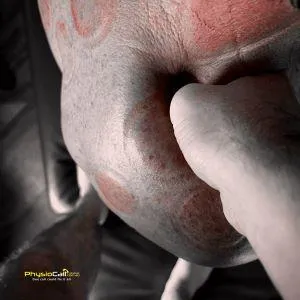
Cupping: What does it involve and why would you recommend it?
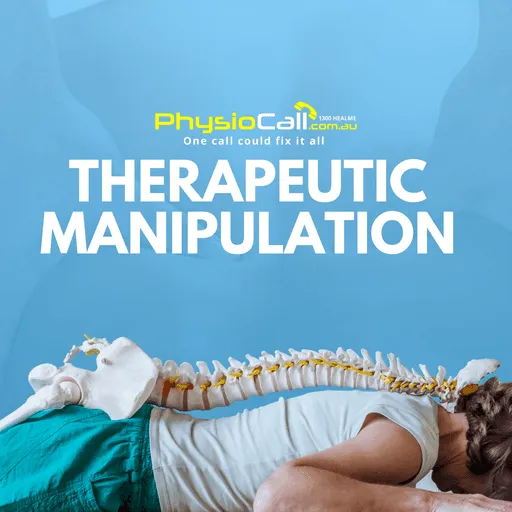
Joint techniques: Are they suitable after my injury or surgery?
Stretching: Which movements match my current ability and assessment?
You can ask questions or decline a proposed technique. Tell your physiotherapist about discomfort or unexpected symptoms so treatment can be reviewed. No particular combination of hands-on techniques guarantees an outcome.
Step 2: Rehabilitation
Discuss goals such as walking to the shops, using stairs, getting in and out of a car or returning to exercise. Your physiotherapist can explain a proposed exercise plan and how it will be reviewed. After surgery, bring the surgeon’s instructions and ask how they affect rehabilitation.
We use a combination of:
Hip exercises: Ask about suitable movement, strengthening and progression for your goals.
Clinic programs: Ask whether a hip exercise program, Ground Up Therapy or another option suits your assessment.
Outer-hip pain may have different explanations. Healthdirect’s GTPS guide describes tendon-related lateral hip pain, activity adjustments and a physiotherapist-designed exercise program. Ask whether this information applies to your assessment; it does not diagnose your symptoms.
Step 3: Maintenance
Follow-up can review hip movement and walking or stair goals. Ask what to practise between visits, when the plan should be reviewed and whether more appointments are useful. Confirm current Get Out of Pain Pack terms before choosing a package.
What’s included in the Get Out of Pain Pack?
5 Discounted Physiotherapy Sessions: These sessions can be used at any time during the year to address any flare-ups or maintain your progress.
Performance Wave Formula: Ask the clinic to explain this approach and how it relates to your care. Follow-up timing should reflect symptoms, progress, goals and availability.
Follow-up should have a clear purpose, such as reviewing hip movement, an exercise plan or a difficult activity. Ask whether more appointments are needed and confirm current package terms before choosing a plan.
How Physiotherapy Works at
PhysioCall.com.au Gladstone
STEP 1
Assess your symptoms
and discuss treatment options to be pain free

STEP 2
Work on strength and movement
with a personalised rehabilitation plan

STEP 3
Prevent future issues by planning your own maintenance package

How PhysioCall.com.au Can Help with Hip Pain
Explain what has changed in your hip symptoms, walking or everyday tasks.
Use these topics to prepare questions for your assessment:
1. Comprehensive Assessment
Describe where symptoms occur and whether they affect walking, stairs, sitting or sleep.
Mention any fall, surgery, symptoms elsewhere and relevant medical advice.
2. Tailored Treatment Plan
Discuss options suited to your assessment and the tasks you want help with.
Agree what progress to review and what to do if symptoms change.
3. Expert Care
Ask why an exercise or technique is being recommended and about risks or alternatives.
Discuss how to fit the plan into work, home activities and sport.
Questions to discuss about your hip care
Assessment: What might be contributing to my symptoms?
Exercise: Which movements or strengthening options suit my assessment?
Daily tasks: How could I adjust walking, stairs or sitting?
Progress: What changes should we review?
Agree when to reassess the plan and how to respond if symptoms change.
Appointments: What are the fees and follow-up options?
Ready to Start Your Physio treatment in Gladstone?
Symptoms and activities to mention at your visit
Prepare a few details about your symptoms and daily tasks. This helps your clinician understand what matters to you:
Location: Groin, outer hip, thigh or buttock symptoms.
Onset: When symptoms began and any fall or injury.
Walking: Distance, pace or surfaces that are difficult.
Stairs: Problems going up, going down or stepping up.
Sitting: Symptoms with sitting or getting out of a chair or car.
Night: Whether symptoms change when lying down.
Activities: Work, household tasks, exercise or sport.
History: Surgery, previous care and medical instructions.
Other Services

GLAD (Osteo Knee and Hip Program)
For hip or knee osteoarthritis, ask the clinic about its current exercise program options, assessment requirements and suitability. Confirm what the GLA:D program involves and whether it is appropriate for your diagnosis and goals.

Get Out Of Pain Plan
The Get Out Of Pain Plan offers five physiotherapy sessions at a fixed price with a discount. Ask about the current price, appointment coverage and validity period before purchasing, and whether the plan suits your assessment and goals.
Ground Up Therapy Program
A comprehensive approach designed to address the full spectrum of physical health needs, from injury prevention and management to strength and endurance training.
What to Expect During Your Treatment
Initial Consultation
Discuss your symptoms, hip movement and relevant medical history.
Explain your goals and ask about a suitable treatment plan.
Treatment Sessions
Discuss appropriate treatment options and any precautions after injury or surgery.
Practise exercises selected for your hip movement, strength and everyday goals.
Ask how to manage walking, stairs and sitting between appointments.
Ongoing Maintenance
Review symptoms, movement and progress towards the tasks you want to do.
Plan follow-up around your needs and availability; ask whether a package is suitable.
Planning your visit to PhysioCall in South Gladstone
Clinic: Appointments are at 25 Philip Street, South Gladstone.
Reports: Bring relevant scans, referral documents and any post-surgery instructions.
Activities: Explain your usual walking, stairs, work and exercise demands.
Access: Ask about appointment types, fees and any assistance you need attending.
Booking: Check available times online or call 07 4962 0411.

Our Expert Team
Our team at PhysioCall.com.au provides physiotherapy care in Gladstone. You can usually book a private appointment without a doctor’s referral. Funded or insurance arrangements may need a valid referral or approval. Please confirm fees, eligibility and required documents with the clinic before your visit. Use online booking to check available appointment times.

Joshua Iaquinto
Gladstone Physiotherapist
16+ years

Joshua Hughes
Gladstone Physio
3+ years
Book hip physiotherapy in Gladstone
For appointments at our South Gladstone clinic, read the first appointment guide and check available appointment times, or call 07 4962 0411. Confirm fees, funding requirements and any access needs before attending.

Locations
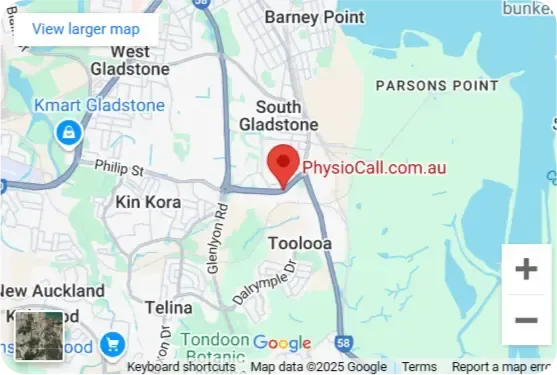
25 Philip Street, South Gladstone Queensland 4680, Australia
FAQs
How long does it take to see results?
Recovery time and the number of visits vary. Hip arthritis, outer-hip tendon pain and rehabilitation after surgery may need different plans. Ask how progress will be reviewed and bring any surgeon’s instructions. One treatment session cannot guarantee relief.
What is the Performance Wave Formula?
Ask the clinic to explain this clinic-specific approach and how it would apply to your care. Follow-up should be planned around your symptoms, progress, goals and availability; it cannot guarantee prevention of future hip pain.
Do I need a referral to book an appointment?
You can usually book a private physiotherapy appointment without a doctor’s referral. Medicare, DVA, WorkCover or other funded arrangements may require a valid referral or approval. Confirm eligibility, fees and documents with the clinic before attending.
Can I use the Get Out of Pain Pack for other issues?
Ask the clinic which appointments the pack currently covers, and confirm the price, validity period and other terms before purchasing. Whether a package suits you depends on your care needs; it does not guarantee a particular result.
Is Hands On Therapy painful?
Explain your preferences and ask about possible discomfort, side effects and alternatives before treatment. Tell your physiotherapist if a technique is uncomfortable or symptoms change. Pain during treatment should not be assumed to be necessary for recovery.
Read Healthdirect’s hip pain guide and its outer-hip pain information for general background. Your clinician can explain which advice applies to your condition.
25 Philip Street, South Gladstone, QLD, 4680 Australia