















Manipulation Therapy in Gladstone
Manipulation Therapy: The Ultimate Guide to Manipulation Therapy
Outline
Introduction
At PhysioCall.com.au, we are dedicated to helping you move better, feel better, and live pain-free. One of the highly effective techniques we offer is manipulation therapy, a hands-on treatment designed to restore joint mobility, reduce pain, and improve overall function. Whether you’re dealing with chronic pain, stiffness, or recovering from an injury, manipulation therapy can be a powerful tool to help you regain your quality of life. In this guide, we’ll explore what manipulation therapy is, how it works, and how it can benefit you.

What is Manipulation Therapy?
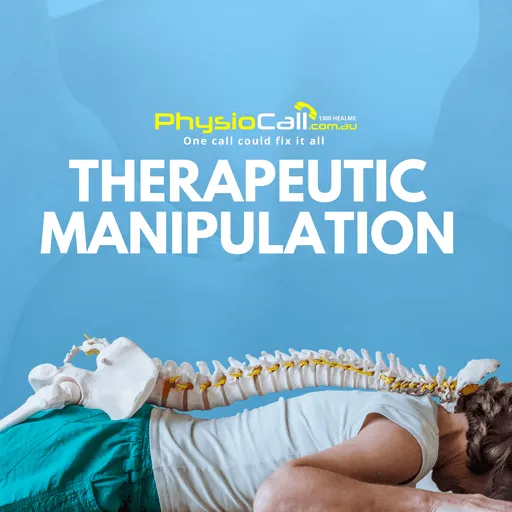
Manipulation therapy, also known as manual therapy or joint manipulation, is a specialized hands-on technique used by physiotherapists to improve joint function and reduce pain. It involves applying controlled, high-velocity movements to specific joints to:
Restore normal joint movement and alignment.
Relieve pain and stiffness.
Improve mobility and flexibility.
Reduce muscle tension and promote relaxation.
Manipulation therapy is often used in combination with other physiotherapy techniques, such as exercise therapy and soft tissue massage, to provide a comprehensive approach to recovery and rehabilitation.
The History of Manipulation Therapy
Manipulation therapy has been practiced for centuries, with its roots in ancient healing traditions. Over time, it has evolved into a modern, evidence-based practice used by physiotherapists, chiropractors, and osteopaths to treat a wide range of musculoskeletal conditions. Today, manipulation therapy is recognized as a safe and effective treatment for improving joint health and relieving pain.
How Physiotherapy Works at
PhysioCall.com.au Gladstone
STEP 1
Assess your symptoms
and discuss treatment options

STEP 2
Work on strength and movement
with a personalised rehabilitation plan
STEP 3
Review your progress
and plan exercises and self-management

How Does Manipulation Therapy Work?
Manipulation therapy works by targeting specific joints that are stiff, misaligned, or restricted in movement. The therapist applies a quick, controlled force to the joint, which helps to:
Restore Joint Mobility: Improves the range of motion in stiff or restricted joints.
Relieve Pain: Reduces pressure on nerves and surrounding tissues.
Improve Circulation: Enhances blood flow to the affected area, promoting healing.
Relax Muscles: Releases tension in surrounding muscles and soft tissues.
Massage therapy also stimulates the release of endorphins, the body’s natural painkillers, which can help reduce discomfort and improve mood.
Ready to Start Your Physio treatment in Gladstone?
Conditions Treated by Manipulation Therapy
Manipulation therapy is highly effective for a variety of musculoskeletal conditions, including:
Back and Neck Pain
Lower Back Pain: Relieves stiffness and improves mobility in the lumbar spine.
Neck Pain: Reduces tension and restores movement in the cervical spine.
Sciatica: Alleviates nerve pain caused by compression or irritation.
Joint Pain and Stiffness
Shoulder Pain: Improves mobility and reduces discomfort in the shoulder joint.
Hip Pain: Restores movement and relieves stiffness in the hip joint.
Knee Pain: Addresses joint restrictions and improves function.
Postural Issues
Poor Posture: Corrects joint misalignments caused by prolonged sitting or poor ergonomics.
Spinal Misalignment: Restores proper alignment and reduces strain on the spine.
Sports Injuries
Sprains and Strains: Speeds up recovery by improving joint and soft tissue function.
Overuse Injuries: Relieves pain and restores mobility in overworked joints.
Other Conditions
Headaches and Migraines: Reduces tension in the neck and upper spine that can contribute to headaches.
Arthritis: Eases joint stiffness and improves mobility in individuals with osteoarthritis.
Programs

For hip or knee osteoarthritis, ask the clinic about its current exercise program options, assessment requirements and suitability. Confirm what the GLA:D program involves and whether it is appropriate for your diagnosis and goals.

The Get Out Of Pain Plan offers five physiotherapy sessions at a fixed price with a discount. Ask about the current price, appointment coverage and validity period before purchasing, and whether the plan suits your assessment and goals.
Ground Up Therapy is an exercise and rehabilitation program. Discuss your movement, strength and activity goals with the clinic, and ask which exercises, progression and review options suit your assessment.
Muscle & Bone Rehab
Muscle & Bone Rehab focuses on rehabilitation, movement and strength. A plan should reflect your assessment, goals and relevant medical advice. Ask about suitable exercises, progress reviews and expected appointment costs.
The Manipulation Therapy Process
What to Expect During a Session
At PhysioCall.com.au, your manipulation therapy session begins with a thorough assessment to identify the root cause of your pain or mobility issues. During the treatment:
Your physiotherapist will locate the specific joint or area that requires manipulation.
A quick, controlled movement is applied to the joint to restore its normal function.
You may hear a “popping” sound, which is a normal part of the process and indicates the release of joint pressure.
Duration and Frequency
Sessions typically last 30–60 minutes, depending on your condition and treatment plan.
For chronic or severe conditions, multiple sessions may be recommended to achieve optimal results.
Side Effects and Recovery
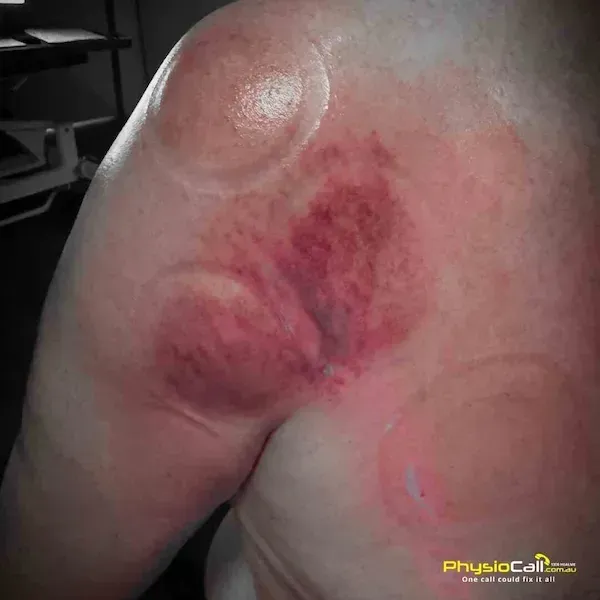
Manipulation therapy is generally safe, but you may experience mild soreness or stiffness in the treated area, which usually resolves within 24–48 hours. Staying hydrated and following your physiotherapist’s advice on aftercare can help maximize the benefits of the treatment.
Benefits of Manipulation Therapy
Relieves Pain: Effective for both acute and chronic pain conditions.
Restores Mobility: Improves joint function and range of motion.
Reduces Muscle Tension: Relaxes tight muscles and relieves associated discomfort.
Improves Posture: Corrects joint misalignments and promotes better alignment.
Speeds Up Recovery: Supports healing from injuries and reduces recovery time.
Enhances Overall Function: Helps you move more freely and perform daily activities with ease.
Manipulation Therapy vs. Other Treatments
Comparison with Massage Therapy
While massage focuses on soft tissues like muscles and fascia, manipulation therapy targets the joints to restore movement and alignment. Both therapies complement each other and can be combined for enhanced results.
Comparison with Chiropractic Care
Chiropractic care often focuses exclusively on spinal manipulation, while physiotherapy manipulation addresses a broader range of joints and is typically combined with other treatments like exercise therapy and rehabilitation.
Cost-Effectiveness
Manipulation therapy is a cost-effective treatment that can provide long-term relief, reducing the need for medications or more invasive procedures.

Who Can Benefit from Manipulation Therapy?
Athletes: Improves performance and speeds up recovery from sports injuries.
Office Workers: Relieves neck, shoulder, and back pain caused by prolonged sitting.
Individuals with Chronic Pain: Provides relief for conditions like arthritis, sciatica, and lower back pain.
People with Postural Issues: Corrects misalignments and improves overall posture.
Anyone Recovering from an Injury: Restores joint function and supports rehabilitation.
Risks and Considerations
Who Should Avoid Manipulation Therapy?
Manipulation therapy is safe for most people, but it may not be suitable for:
Individuals with osteoporosis or brittle bones.
People with severe joint inflammation or infections.
Those with a history of fractures or joint instability.
Pregnant women (consult your healthcare provider first).
Potential Side Effects
Mild soreness or stiffness after treatment.
Temporary fatigue or lightheadedness.
At PhysioCall.com.au, we ensure that all treatments are performed by trained professionals in a safe and hygienic environment.
Our Expert Team
Our team at PhysioCall.com.au provides physiotherapy care in Gladstone. You can usually book a private appointment without a doctor’s referral. Funded or insurance arrangements may need a valid referral or approval. Please confirm fees, eligibility and required documents with the clinic before your visit. Use online booking to check available appointment times.

Joshua Iaquinto
Gladstone Physiotherapist
16+ years

Joshua Hughes
Gladstone Physio
3+ years
Conclusion
Manipulation therapy is a highly effective treatment for relieving pain, restoring mobility, and improving overall function. Whether you’re dealing with chronic pain, recovering from an injury, or looking to improve your posture, manipulation therapy can help you move better and feel better. At PhysioCall.com.au, we combine expert techniques with a personalized approach to provide safe, effective, and results-driven treatments.

Locations
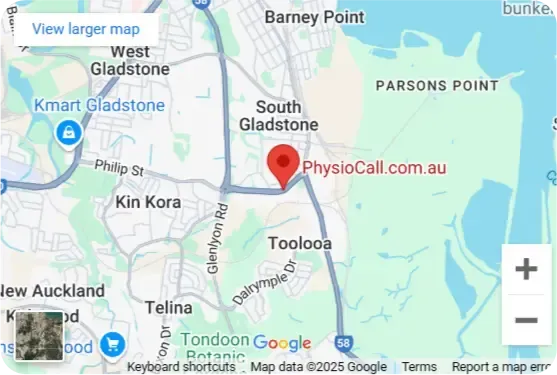
25 Philip Street, South Gladstone Queensland 4680, Australia
FAQs
Does manipulation therapy hurt?
Manipulation therapy is generally painless, though you may feel a quick, mild pressure during the treatment. Any soreness afterward is typically mild and temporary.
How many sessions will I need?
How many sessions will I need?
Is manipulation therapy safe?
Yes, manipulation therapy is safe when performed by a trained physiotherapist. At PhysioCall.com.au, we ensure all treatments are tailored to your individual needs.
Can manipulation therapy help with posture?
Yes, manipulation therapy can correct joint misalignments and improve posture, especially for those with desk jobs or poor ergonomics.
What should I do after a manipulation session?
Stay hydrated, avoid strenuous activity, and follow any exercises or stretches recommended by your physiotherapist to maximize the benefits of the treatment.
At PhysioCall.com.au, we’re here to help you move better and feel your best. Contact us today to book your manipulation therapy session and experience the benefits for yourself!
25 Philip Street, South Gladstone, QLD, 4680 Australia
07 4962 0411 (Customer Support)